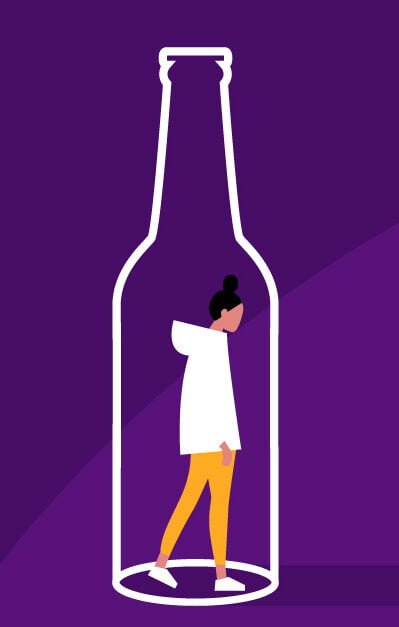
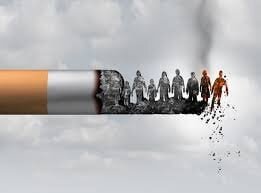
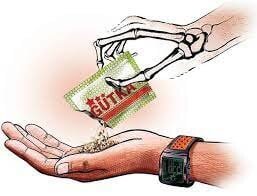

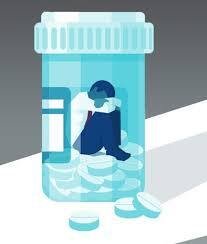
Impulsive individuals, ignorant of the serious adverse effects of alcohol and other drug abuse consider indulgence as a source of happiness.

Addiction to anything is very harmful. Ayurveda deals this subject under the title “Madatyay’. According to ayurveda, every person with substance abuse disorder is an unique individual and should be taken care as a different case.

The ultimate aim is to restore the every person with substance abuse disorder functionality to a proper balance so that they can live a healthy life.

Addiction is a social and mental issue requiring the comprehensive methodology of Ayurveda. The Ayurvedic framework has been rehearsed and refined for a huge number of years and can be actualized into any current treatment program (Nasha Mukti).

Yoga practice combining asana, pranayama and meditation / dhyana can keep you refrained from addiction. It also helps in recovering, which an every person with substance abuse disorder needs to come back in the society.

Any type of addiction, while coming to the Hrdaya (heart) distresses the 10 characteristics of Ojas (situated in the heart), therefore raising mental confusion.

General properties of Addictive substanceCharacteristics of Oja ( Immunity)
Light to digestHeavy to digest
HotCold
SharpnessSoftness
SournessSweetness
the quality of a substance which first of all pervades the entire body and thereafter gets digestedSmoothness
FastViscous
DrynessOily
ExpandsStable
EmptiesSticky

Adverse Effect of any Addiction

Heart is the sheet of all bodily building blocks viz. Dosha , Dhatus, Satva (mind), Buddhi (wisdom), indriyas (senses), Atma (soul) and Ojas (vitalilty), which gets destroyed by drug abuse and morbidities shows in the heart.

Fantasy, dread, melancholy, outrage and demise and maladies like craziness, inebriation, swooning, epilepsy and apatanaka (shaking) are brought about by addiction.

Addiction always causes agitation of the mind causing morbidity in the body. Thus, the patient suffering can be cured by psychotherapy for the cheerfulness of the mind.

Restorative Measures (Nasha Mukti): Along with medicine, patients should take milk in diet for faster recovery and restoration of health. For counselling and ayurvedic support medicine visit PANAYU WELLNESS.

FAQs related to De Addiction in Ayurveda

What is Ayurvedic de-addiction?

Ayurvedic de-addiction is a holistic approach to help individuals gradually overcome dependency on substances such as alcohol, tobacco, smoking, gutkha, or other habits using herbal medicines, detoxification, diet correction, counselling, and lifestyle modification.

How is Ayurvedic de-addiction different from modern treatment?

Ayurveda focuses on detoxifying the body, balancing the mind, repairing affected organs, and reducing cravings naturally, rather than only suppressing symptoms. Emotional, digestive, and sleep health are also addressed.

Which addictions can be managed with Ayurveda?

Ayurvedic de-addiction programs are commonly used for:

  • Alcohol dependence
  • Smoking and tobacco use
  • Gutkha and chewing tobacco
  • Certain substance-related habits (case-based)

Is Ayurvedic de-addiction safe?

Yes, when treatment is planned and monitored by a qualified Ayurvedic doctor. Medicines and therapies are selected based on the individual’s health condition.

Is hospitalization required?

Not always. Many patients can undergo out-patient treatment, while some may benefit from supervised or residential care depending on severity.

Can older patients undergo Ayurvedic de-addiction?

Yes, with proper assessment and customized treatment planning.

What does Ayurvedic de-addiction treatment include?

Treatment may include:

  • Detoxification (Shodhana)
  • Herbal formulations
  • Panchkarma therapies (if required)
  • Diet and lifestyle guidance
  • Psychological counselling and support

Does Ayurvedic de-addiction help reduce cravings?

Yes. Ayurvedic medicines aim to reduce dependency, calm the nervous system, and improve mental control, which helps reduce cravings gradually.

How long does Ayurvedic de-addiction treatment take?

Duration varies depending on:

  • Type of addiction
  • Duration of habit
  • Physical and mental health

It may range from a few weeks to several months. Usually 3 – 4 months..

Does Ayurvedic de-addiction cause withdrawal symptoms?

Ayurvedic treatment is designed to minimize discomfort and withdrawal symptoms by supporting the body’s natural detoxification process.

Is the treatment painful?

No. Ayurvedic therapies are generally gentle and focus on comfort and gradual recovery.

Can Ayurveda help with anxiety, irritability, and sleep problems during de-addiction?

Yes. Mental calmness, improved sleep, and emotional balance are important goals of Ayurvedic de-addiction treatment.

Can Ayurvedic de-addiction be taken along with modern medicines?

Yes, but the doctor should be informed about all ongoing medications to avoid interactions.

Can Ayurveda help after relapse?

Yes. Ayurveda focuses on long-term lifestyle correction and mental strength, which can help prevent future relapse when followed properly.

Can Ayurvedic de-addiction help liver health?

Ayurveda traditionally supports liver detoxification and regeneration, especially in alcohol-related dependency, under medical supervision.

Does it help in improving digestion and appetite?

Yes. Digestive health is a key focus, as poor digestion often worsens addiction-related problems.

Is counselling part of Ayurvedic de-addiction?

Yes. Mental and emotional counselling plays a vital role in addressing the root cause of addiction.

Is family support important during treatment?

Yes. Family understanding and cooperation greatly improve treatment outcomes and motivation.

Is Ayurvedic de-addiction treatment confidential?

Yes. Patient privacy and confidentiality are strictly maintained.

Is appointment required for de-addiction consultation?

Yes. De-addiction treatment requires prior appointment and detailed consultation.

Does Ayurvedic de-addiction guarantee complete cure?

No medical system can ethically guarantee a cure. Ayurvedic treatment supports recovery, self-control, and long-term well-being when followed sincerely.

What factors affect success of treatment?

Success depends on:

  • Patient willingness
  • Duration of addiction
  • Family support
  • Regular follow-up and lifestyle changes

Are there dietary restrictions during treatment?

Yes. A simple, wholesome diet is usually advised. Alcohol and addictive substances must be completely avoided.

Can a working person take Ayurvedic de-addiction treatment?

Yes. Many treatments are designed to fit into daily routine without disrupting work.

Where should Ayurvedic de-addiction be done safely?

It should be done at a registered Ayurvedic clinic under the supervision of a qualified Ayurvedic doctor.