





Ayurveda, an ancient system of natural healing that originated in India over 3,000 years ago, has seen a resurgence in popularity in the digital age. With the rise of telemedicine, Ayurvedic practitioners have embraced online consultation to provide accessible, personalized care to patients worldwide. Here’s an overview of the process of Ayurvedic online consultation, highlighting its unique aspects and benefits.
1. Choosing the Right Practitioner
The first step in an Ayurvedic online consultation is selecting a qualified practitioner. Patients should look for professionals who are certified in Ayurveda and have a good reputation, often verified through online reviews or referrals. Many practitioners provide detailed profiles on their websites, including their areas of expertise, years of experience, and treatment philosophies.
2. Scheduling the Consultation
Once a practitioner is chosen, the next step is scheduling an appointment. Most Ayurvedic practitioners offer flexible options for booking, including through websites, mobile apps, or by direct contact. Patients typically select a time that fits their schedule, and some practitioners may offer the first consultation at a discounted rate or even for free as an introductory session.
3. Preparation Before the Consultation
Before the consultation, patients are usually required to fill out a detailed health questionnaire. This form covers aspects of medical history, current health issues, lifestyle, diet, and any specific concerns they wish to address. The purpose of this is to provide the practitioner with a comprehensive understanding of the patient’s health background.
Additionally, patients might be asked to prepare by observing their daily routines, diet, and bodily functions, such as digestion and sleep patterns, for a few days before the consultation. These observations are crucial for the Ayurvedic diagnostic process.
4. The Consultation Process
During the online consultation, which typically lasts between 30 minutes to an hour, the Ayurvedic practitioner will engage in a thorough discussion with the patient. This session often includes:
- Doshic Assessment: The practitioner determines the patient’s constitution (Prakriti) and any imbalances (Vikriti) in the three doshas—Vata, Pitta, and Kapha. This is based on the patient’s physical, mental, and emotional characteristics.
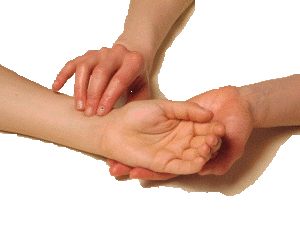
- Pulse Diagnosis (Nadi Pariksha): In traditional settings, this involves physical touch, but in online consultations, practitioners might rely on the patient’s descriptions or request videos/photos to assist in this diagnosis.
- Tongue Examination: Patients may be asked to provide a photograph of their tongue, which helps the practitioner assess digestive health and other systemic conditions.
- Lifestyle and Diet Review: The practitioner will discuss the patient’s current lifestyle and diet to identify areas that may need adjustment. This conversation is crucial as Ayurveda emphasizes personalized dietary and lifestyle modifications as part of the healing process.
5. Personalized Treatment Plan
Based on the findings from the consultation, the practitioner will design a personalized treatment plan. This may include:
- Dietary Recommendations: Specific foods to favor or avoid, based on the patient’s dosha balance.
- Herbal Supplements: Ayurvedic herbs and formulations that support healing and balance.
- Lifestyle Changes: Modifications in daily routines, sleep patterns, and stress management techniques.
- Yoga and Meditation: Tailored exercises and meditation practices to support physical and mental well-being.
6. Follow-Up and Monitoring
Ayurvedic treatment is an ongoing process that requires monitoring and adjustments over time. Follow-up consultations are typically scheduled to assess progress, make necessary modifications to the treatment plan, and address any new concerns. The frequency of follow-ups may vary, ranging from weekly to monthly, depending on the patient’s condition.
7. Accessibility and Convenience
One of the primary benefits of Ayurvedic online consultation is its accessibility. Patients from any part of the world can connect with experienced practitioners, overcoming geographical barriers. The convenience of conducting consultations from home also appeals to many, especially those with busy schedules or mobility issues.
8. Challenges and Considerations
While Ayurvedic online consultations offer numerous benefits, they also come with challenges. The lack of physical examination can limit the diagnostic process, and patients need to ensure they follow the practitioner’s instructions precisely. Additionally, patients should be cautious about choosing reputable practitioners, as the rise in popularity of Ayurveda has led to an increase in unqualified providers.
Conclusion
Ayurvedic online consultation is a modern adaptation of an ancient practice, providing a bridge between traditional healing and contemporary technology. By following a structured process that includes detailed assessments, personalized treatment plans, and regular follow-ups, patients can benefit from the wisdom of Ayurveda, no matter where they are in the world. The key to success lies in choosing a qualified practitioner, being honest and thorough during consultations, and committing to the recommended lifestyle changes and treatments.